

Choosing the right tent isn’t just about how many people it fits or how easy it is to pitch. The materials it’s made from matter just as much. The fabric in the roof, walls, and floor determines how well your tent stands up to rain, sun, wind, or years of use. Nylon might be the go-to for lightweight backpacking, polyester a solid choice for family camping, and canvas a favorite for glamping and long-term setups, while PVC dominates in event and heavy-duty shelters. In this guide, we’ll break down the main tent materials and show you where each one is best used so you can pick the right tent for your adventures.
1. PVC (Polyvinyl Chloride)
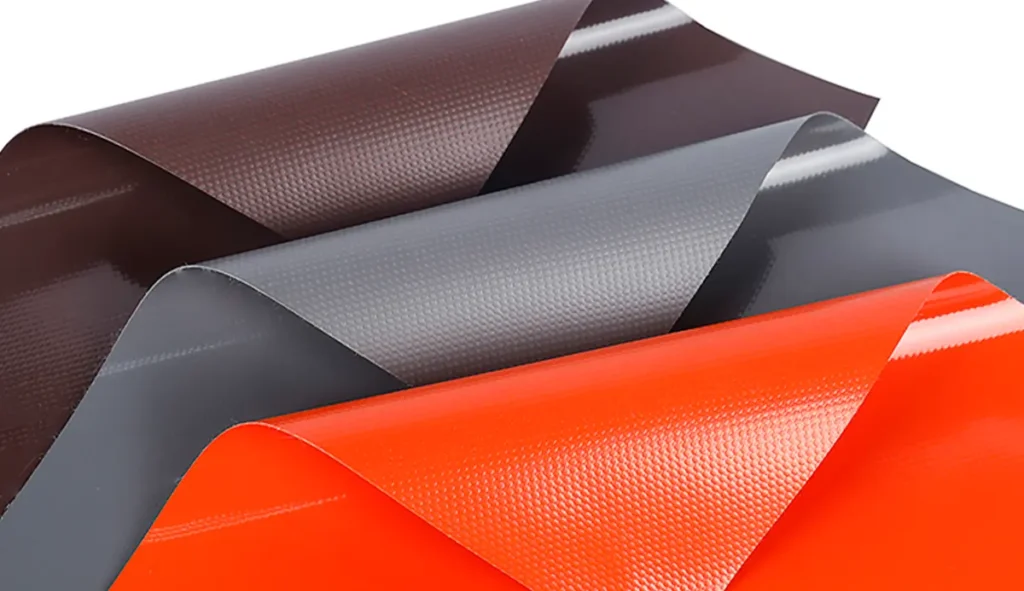

PVC is a strong and versatile synthetic fabric that has become a favorite in the tent industry. Unlike other lightweight materials such as nylon or polyester, PVC is specially coated to provide exceptional durability and resistance to the elements. It’s not just fabric it’s engineered protection. This makes it an excellent choice for large event tents, warehouse structures, outdoor shelters, and even emergency relief tents.
Key benefits of using PVC
-
Long-Lasting Strength – Resists tears, scratches, and heavy use.
-
All-Weather Protection – 100% waterproof and performs well in rain, snow, humidity, and strong winds.
-
UV Resistant – Maintains its color and toughness under strong sunlight.
-
Safe & Fire-Retardant – Meets safety standards for public and industrial use.
-
Low Maintenance – Easy-to-clean surface that stays fresh with minimal effort.
Challenges of using PVC
- Ventilation Issues: PVC is not naturally breathable. Without proper ventilation, tents can feel warmer inside and may trap condensation.
- Environmental Impact: PVC production and disposal raise environmental concerns, as it’s not as eco-friendly as natural materials like canvas. Some types can release harmful chemicals if burned.
- Cost: High-quality PVC-coated fabrics are often more expensive than lighter synthetic materials.
2. CANVAS

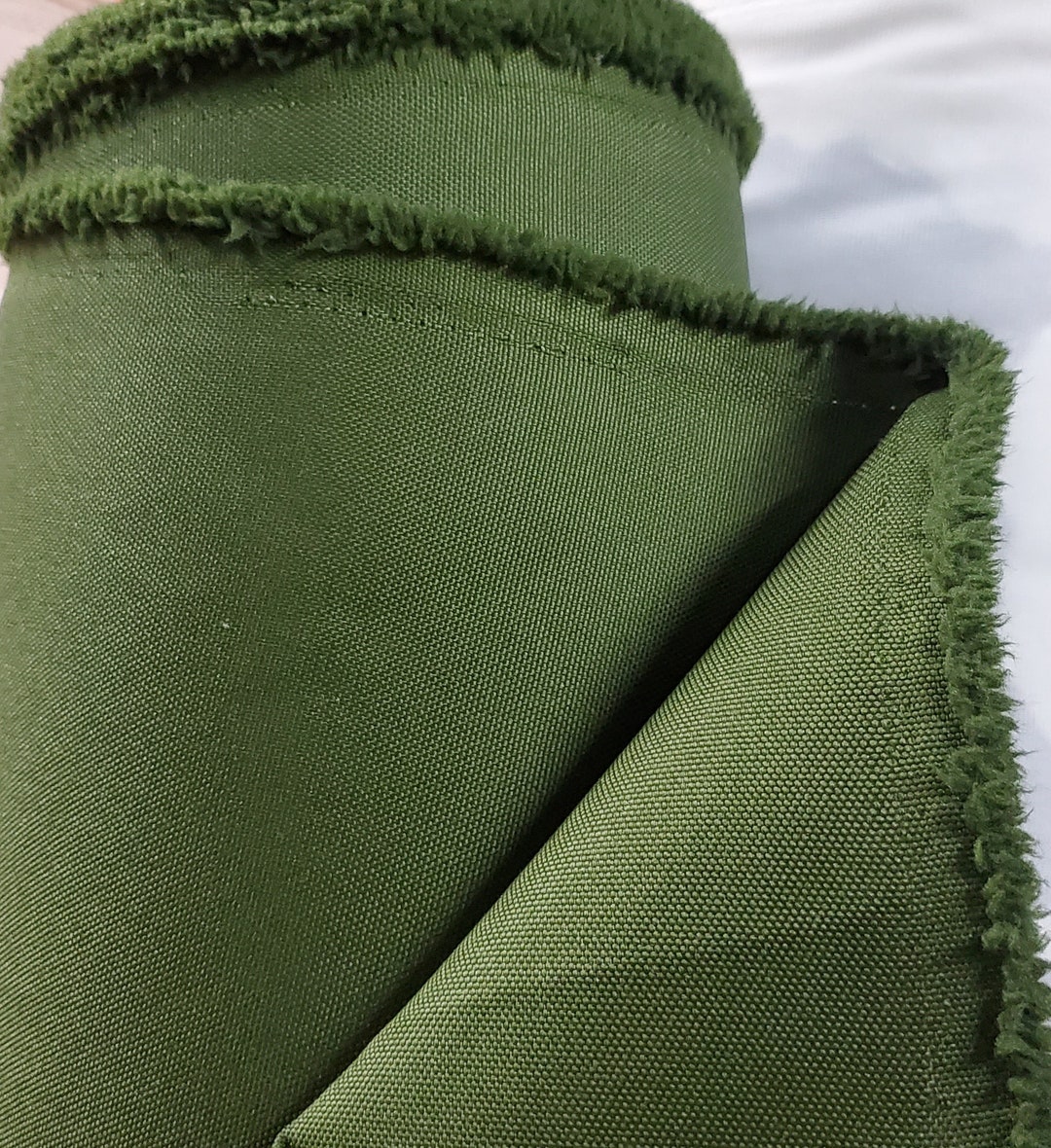
Canvas is a strong, tightly woven fabric that has been trusted for generations. Traditionally made from cotton, it was the material of choice for military camps, safari lodges, and explorers because of its reliability in all kinds of weather. Today, most canvas tents are made from a cotton-polyester blend, giving you the best of both worlds, the natural breathability of cotton combined with the added strength and mildew resistance of polyester.
What makes canvas special is how it adapts to the outdoors. When it rains, the fibers naturally swell and tighten, creating a barrier that keeps water out while still letting fresh air circulate inside. This means your tent stays dry and comfortable without feeling damp or stuffy. And as the years go by, canvas develops its own character, aging gracefully and giving your tent a rugged, timeless charm that campers and adventurers truly appreciate.
key benefits of using Canvas
- Durability & Longevity: Thick, woven fabric that can last for years with proper care and its resistant to wear and tear, making it ideal for extended use.
- Breathability & Comfort: Natural fibers allow airflow, reducing condensation inside making it feel fresher and more comfortable compared to synthetic tents.
- Insulation: Keeps cooler in hot weather and warmer in cold conditions and creates a more “home-like” atmosphere inside the tent.
- Eco-Friendly Appeal: Traditionally made from cotton, a natural, biodegradable material and its popular among eco-conscious campers and glampers.
- Repairable: Small tears or holes can easily be patched, extending the life of the tent.
Challenges of using Canvas
- Weight & Bulkiness: Heavier and harder to transport compared to nylon or polyester tents. Takes more effort to set up and pack away.
- Drying Time: Absorbs water, so it takes longer to dry after rain. Packing it away damp can cause mildew or mold growth.
- Maintenance: Requires regular care, including re-proofing with waterproof treatments. Needs proper storage in a dry place to prevent damage.
- Cost: Generally more expensive than lightweight synthetic tents. Considered more of a long-term investment.
- Less Portable: Not the best option for hikers or backpackers who need lightweight gear. Better suited for car camping, glamping sites, or semi-permanent setups.
3. Waterproof Net


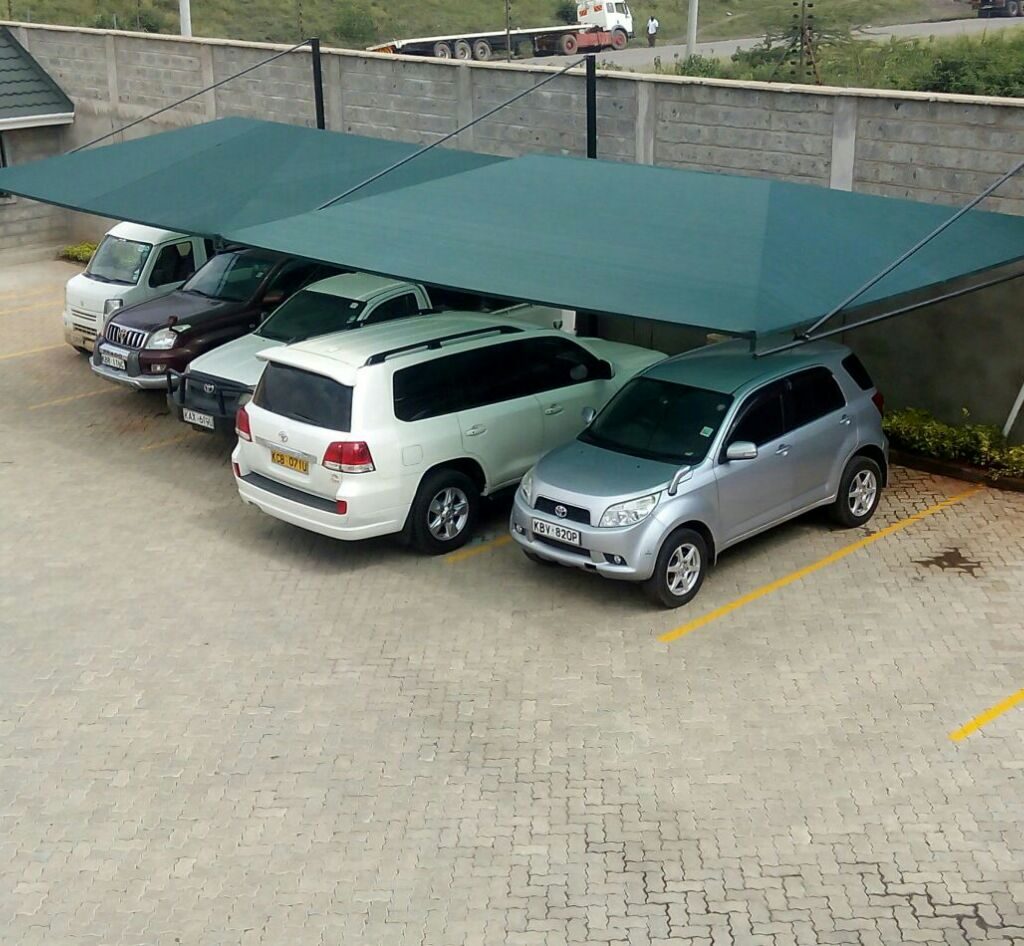
Waterproof nets are made from high-density polyethylene (HDPE), polyester, or PVC-coated fabrics woven into a mesh-like structure. These nets are often treated with UV stabilizers and waterproof coatings, making them resistant to sunlight, rain, and mildew. The design combines shade and water resistance, making them perfect for outdoor carports, garden covers, patios, and even industrial storage.